

Uncategorized
Bucharest
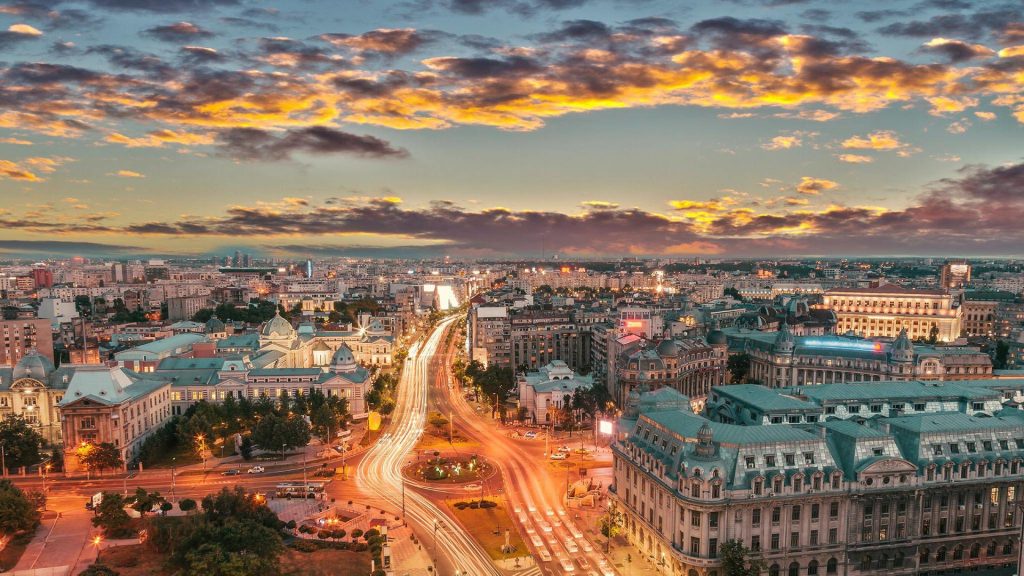
Known for its wide, tree-lined boulevards, glorious Belle Époque buildings and a reputation for the high life (which in the 1900s earned its nickname of “Little Paris”), it is Romania’s largest city and capital, is today a bustling metropolis.
Romanian legend has it that the city of Bucharest was founded on the banks of the Dambovita River by a shepherd named Bucur, whose name literarily means “joy.” His flute playing reportedly dazzled the people and his hearty wine from nearby vineyards endeared him to the local traders, who gave his name to the place.
House of the Free Press
(Casa Presei Libere)
An impressive edifice standing in the northern part of the city, since 1956, Casa Scanteii (as it is still universally known) was designed by architect Horia Maicu. The building is a smaller replica of the Lomonosov University in Moskow – Russia (inaugurated in 1953).
Between 1956 and 1989, the House of the Free Press housed almost all of Romania’s capital printing presses and headquarters of print media companies. Today, Casa Presei Libere carries out much the same function but the southern wing is now the home of the Bucharest Stock Exchange.
Calea Victoriei
(Victory Way)
Calea Victoriei is Bucharest’s oldest and arguably, most charming street.
Designed in 1692 to connect the Old Princely Court to Mogosoaia Palace, the street (initially named Podul Mogoșoaiei) was originally paved with oak beams. The street became Calea Victoriei in 1878, after the Romanian War of Independence victory. Between the two world wars, Calea Victoriei developed into one of the most fashionable streets in the city.
Stroll along this street from Piata Victoriei to Piata Natiunilor Unite to discover some of the most stunning buildings in the city, including the Cantacuzino Palace, the Revolution Square, the Military Club,
National Savings Bank Palace and the National History Museum.
The Romanian Athenaeum
(Atheneul Roman)
The work of French architect Albert Galleron, who also designed the National Bank of Romania, the Athenaeum was completed in 1888, financed almost entirely with money donated by the general public. One of the preeminent public fundraising campaigns ever in Romania, the “Give a penny for the Athenaeum” campaign saved the project after the original patrons ran out of funds. With its high dome and Doric columns, the Athenaeum resembles an ancient temple.
Kretzulescu Church
(Biserica Cretulescu)
Nestled amid the other historical buildings in Piata Revolutiei, this small red-brick Orthodox church was built in 1722 by the great chancellor Iordache Kretzulescu and his wife, Safta (a daughter of Constantin Brancoveanu) in the Brancovenesti architectural style. The interior frescoes were executed around 1860 by the famous Romanian painter Gheorghe Tattarescu.
Source: Admin
Related posts
Uncategorized
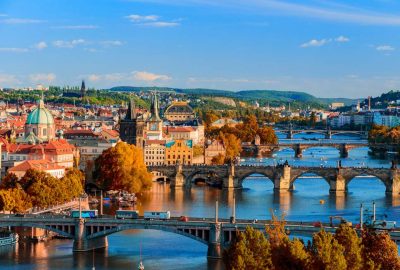
Prague
About Prague Prague, is the largest city and the national capital of the Czech Republic. The city is situated in the northeastern part of…
Uncategorized
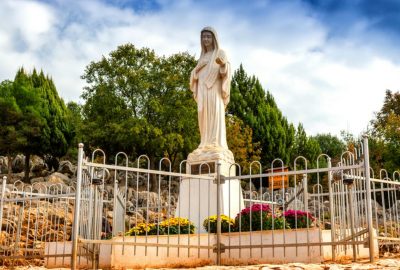
Medjugore
Medjugore, is a small town located in the Herzegovina region of Bosnia and Herzegovina, around 25 km (16 mi) southwest of Mostar and close to the border of…
Uncategorized
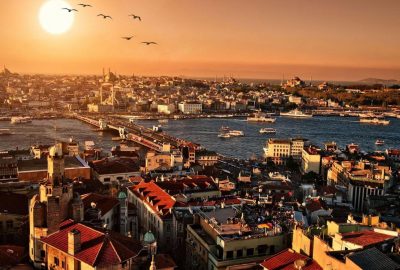
About Turkey
The beautiful Turkey is a parliamentary republic in Eurasia. Officially known as the Republic of Turkey, it is bordered by Iran and Armenia in the…

Uncategorized
Greece – 7 Places to visit
1 – Athens Athens is the capital and largest city of Greece. Athens dominates the Attica region and is one of the world’s oldest cities,…
Uncategorized
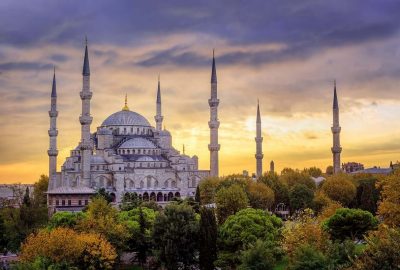
Tourism in Turkey
Tourism in Turkey Tourism in Turkey is focused largely on a variety of historical sites, and on seaside resorts along its Aegean and Mediterranean…


Leave a reply